
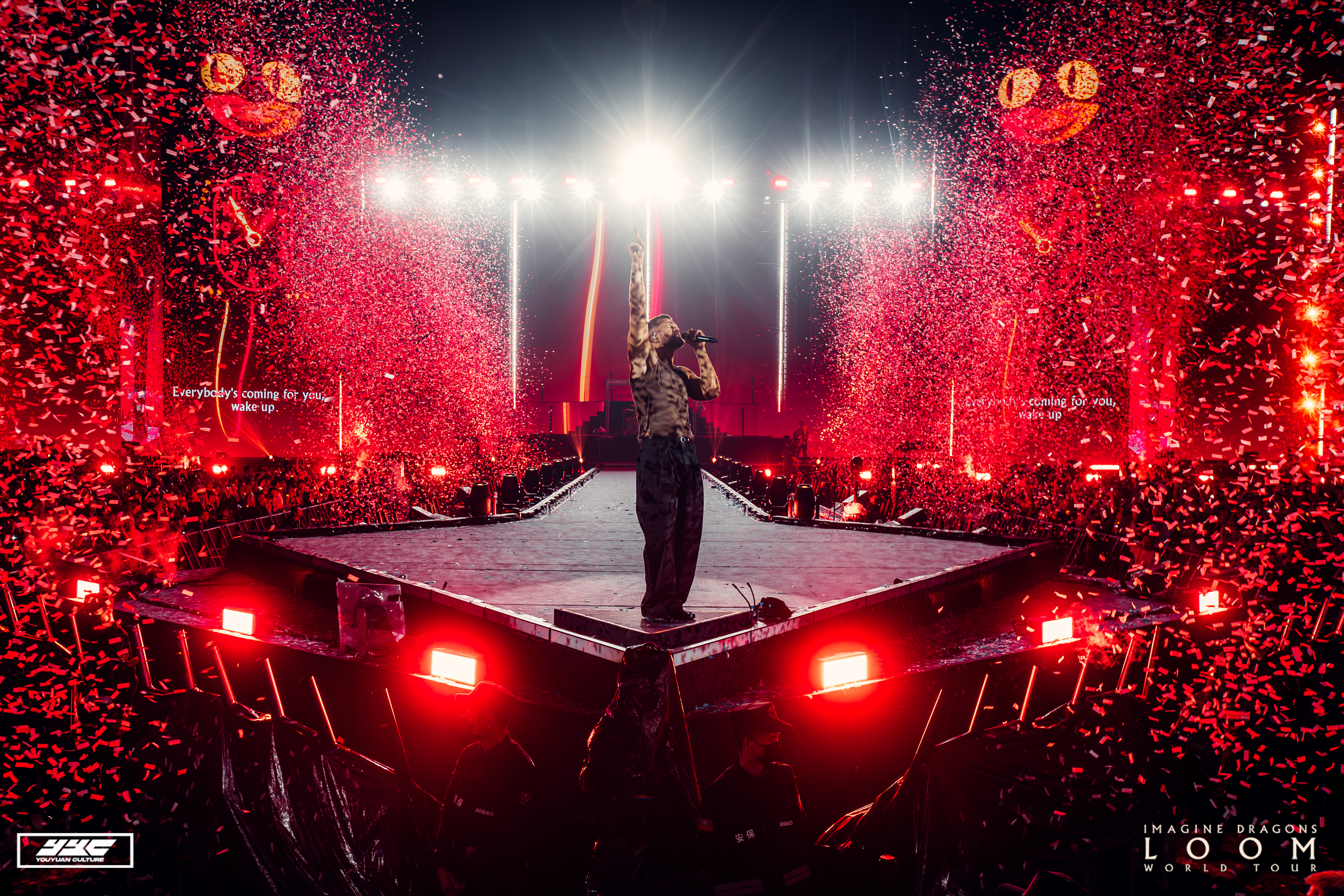
As night falls, the venue lights gradually dim. When the familiar drumbeats and vocals of Imagine Dragons fill the air, tens of thousands of audience members raise their phones almost in unison and sing along to Believer. This is not simply a concert—it feels more like a long-suppressed release of emotion, and it offers the most vivid snapshot of China's current live music market.
This round of Imagine Dragons' China tour, organized by Youyuan Culture after a year-long hiatus, not only achieved high attendance and swift sellouts across multiple cities, but also sparked a wave of social-media comments praising the "live performance that hits even harder than the studio recording" and "goosebumps from the whole-arena sing-along." It is precisely at this pivotal moment that Youyuan Culture announced it has secured its first round of external strategic financing.
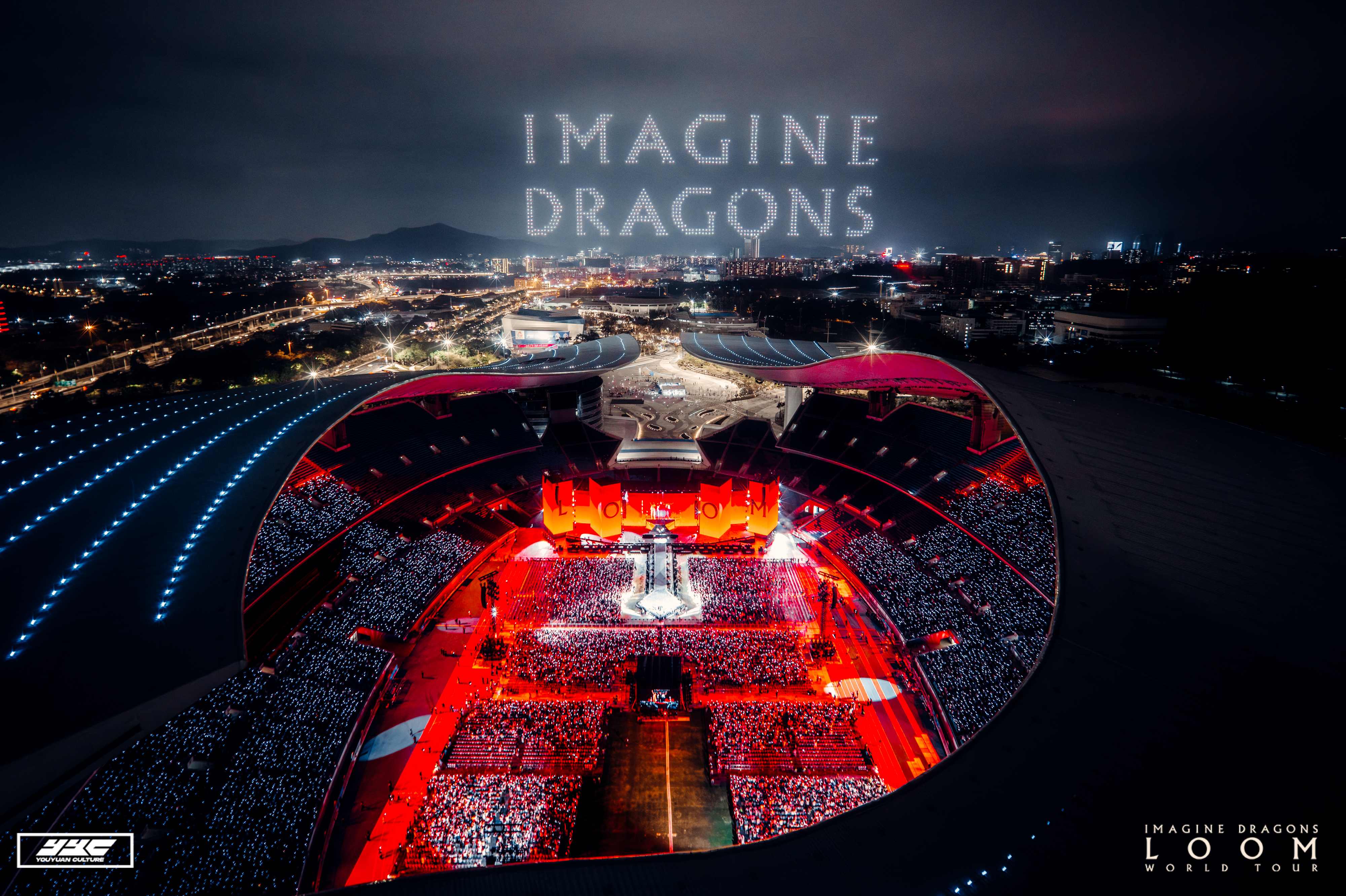
IMAGINE DRAGONS LOOM WORLD TOUR CHINA
If viewed merely as a piece of financing news, it is nothing special. But when placed back into the broader context of industry changes, a more noteworthy signal emerges: performance companies are attempting to break free from the project‑based model and pivot toward a business that is both more complex and more sustainable over the long term.
For many years, the logic of the live performance business has been straightforward: take on projects, execute them, and collect revenue. After a tour ends, box office settlements are made, the team packs up, audience emotions linger on social media for a few more days, and then everything subsides into calm. The industry is growing in scale, yet companies struggle to build lasting assets; projects are multiplying, but long‑term value remains ambiguous.
Youyuan Culture secured its first round of strategic financing from state‑backed capital by shifting its focus from simply staging shows to developing content, cultivating users, and building a platform. This path may not yet be fully proven, but the direction it signals is increasingly becoming a new consensus across the industry.
————————————————————
How can performance companies endure through industry cycles and sustain value creation?
Looking back over the past two to three years, China's live music market can only be described as booming. According to data released by the China Association of Performing Arts, since 2023, box office revenue from commercial performances across the country has rebounded sharply, with major concerts and music festivals frequently seeing tickets sell out within minutes—some high‑demand events even requiring multiple added shows to meet audience demand.
In such a market environment, high‑quality performances remain exceptionally lucrative. A prime example is the Imagine Dragons China tour, fully organized by Youyuan Culture for two consecutive years. Over two years, multiple shows in multiple cities sold out immediately upon release, with social‑media discussions about "failed ticket grabs" continuing to build momentum, while some shows saw significant markups on the secondary market. On the ground, the immersive visual effects created by massive screens and lighting systems, combined with lead singer Dan Reynolds' electrifying stage presence, prompted many audience members to keep sharing videos and reactions long after the shows ended. Reviews such as "worth every penny" and "one of the best live shows in recent years" were frequently seen.
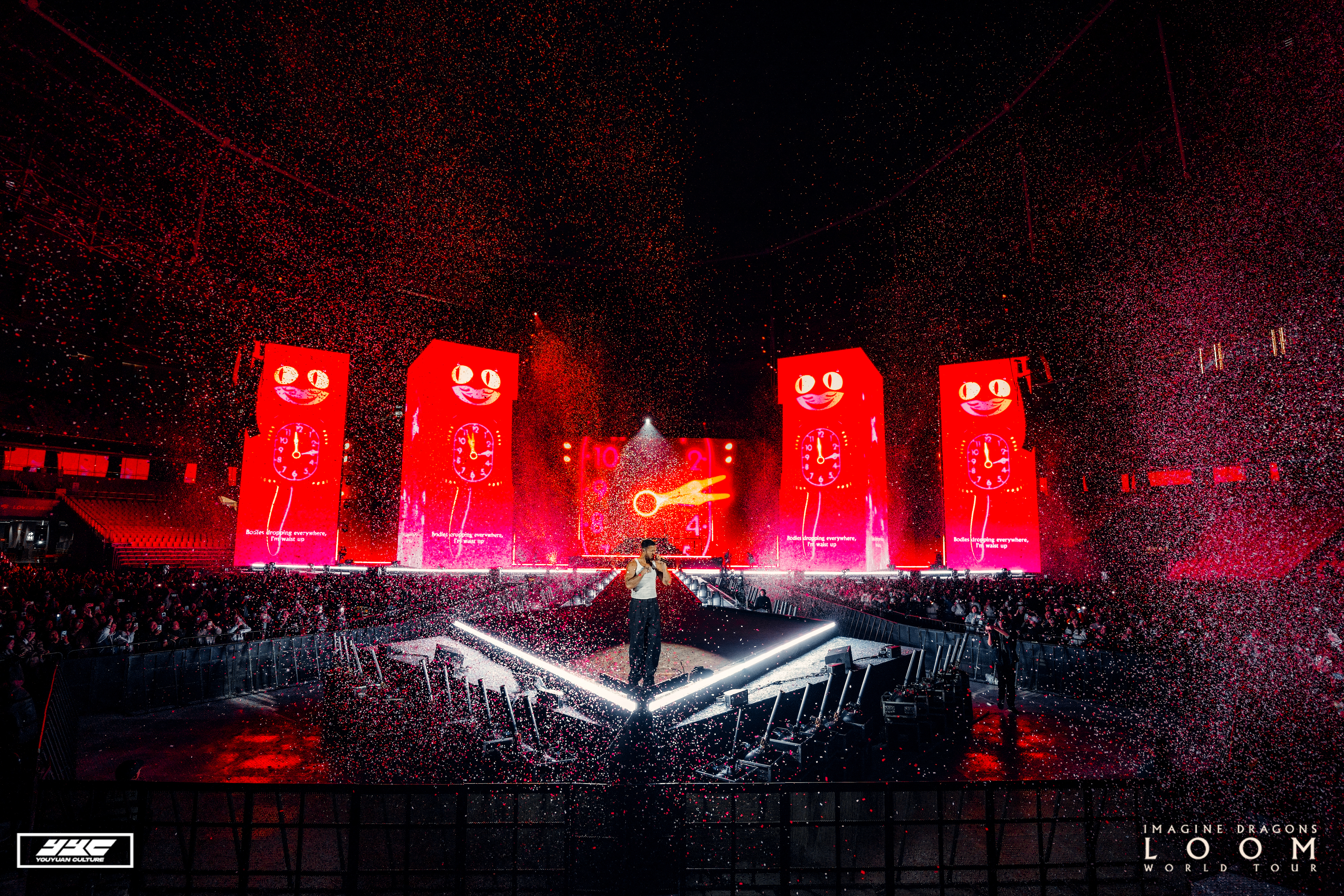
IMAGINE DRAGONS LOOM WORLD TOUR SHANGHAI
But the problem is that sold‑out individual shows do not equate to stability. Putting on a successful concert has never been particularly difficult. What is difficult is what remains after the crowd disperses. This is especially true now that, after a period of overheated growth, the domestic performance market has become fiercely competitive and is entering a correction phase. The question is: who will still be standing when the tide goes out?
On one hand, the supply of high‑quality content remains limited, and the ability to consistently bring in or produce top‑tier projects is inherently uncertain. On the other hand, even when a project succeeds, the relationship with the audience often stays at the level of a one‑time transaction. Fans may remember a great show, but they don't necessarily remember the company that put it on.
From an industrial‑structure perspective, this is hardly surprising. Performance companies have long occupied the middle tier—upstream are artists and content, downstream are audiences and consumption scenarios—and the core resources at either end are rarely in their own hands. This dependence on the external environment imposes a natural ceiling on the stability of their business.
What matters even more is accumulation. Shows can be stacked one after another, but users are hard to retain, and brands struggle to build a clear identity. In contrast, content IP and user platforms offer greater reusability, capable of generating value repeatedly across different market cycles.
That is why, now that the market has recovered, the industry has begun to ask a more pressing question: how far can a business go if it relies solely on staging performances?
Youyuan Culture itself started out as a performance contractor, supplier, and investor. In its early days, it was involved in tours for acts such as Times Youth, Lu Han, and Huang Zitao, as well as in the professional operation of major music‑performance IPs. Over time, its business began to extend both upstream and downstream along the industry chain, incubating its own performance content, IP brands, and entertainment platforms.
————————————————————
From a single show to building content IP and user platforms
Looking at Youyuan Culture's development trajectory, performances remain the foundation. Whether international tours or local music events, these still serve as the most direct entry points for traffic. The value of live music lies in its ability to create intense emotional connections in a short span of time—this sense of "being there" is something that no amount of online content can easily replace.
What sets the company apart, however, is that the show is no longer the end goal.
On top of its performance business, Youyuan Culture has begun to steadily build its own content IP. For example, its offline party brands such as Dongyeah Top100 DJs Party and Rabbit Jump place a strong emphasis on unified visual styles, musical aesthetics, and social atmospheres. Audiences come not just for a particular DJ or lineup, but to participate in an overall experience—from entry flow and lighting rhythm to crowd density and interaction patterns, every detail is carefully designed. On social media, many attendees have described it as "stepping into a temporary parallel universe"—comments that, in essence, have already transcended the traditional scope of live performances.
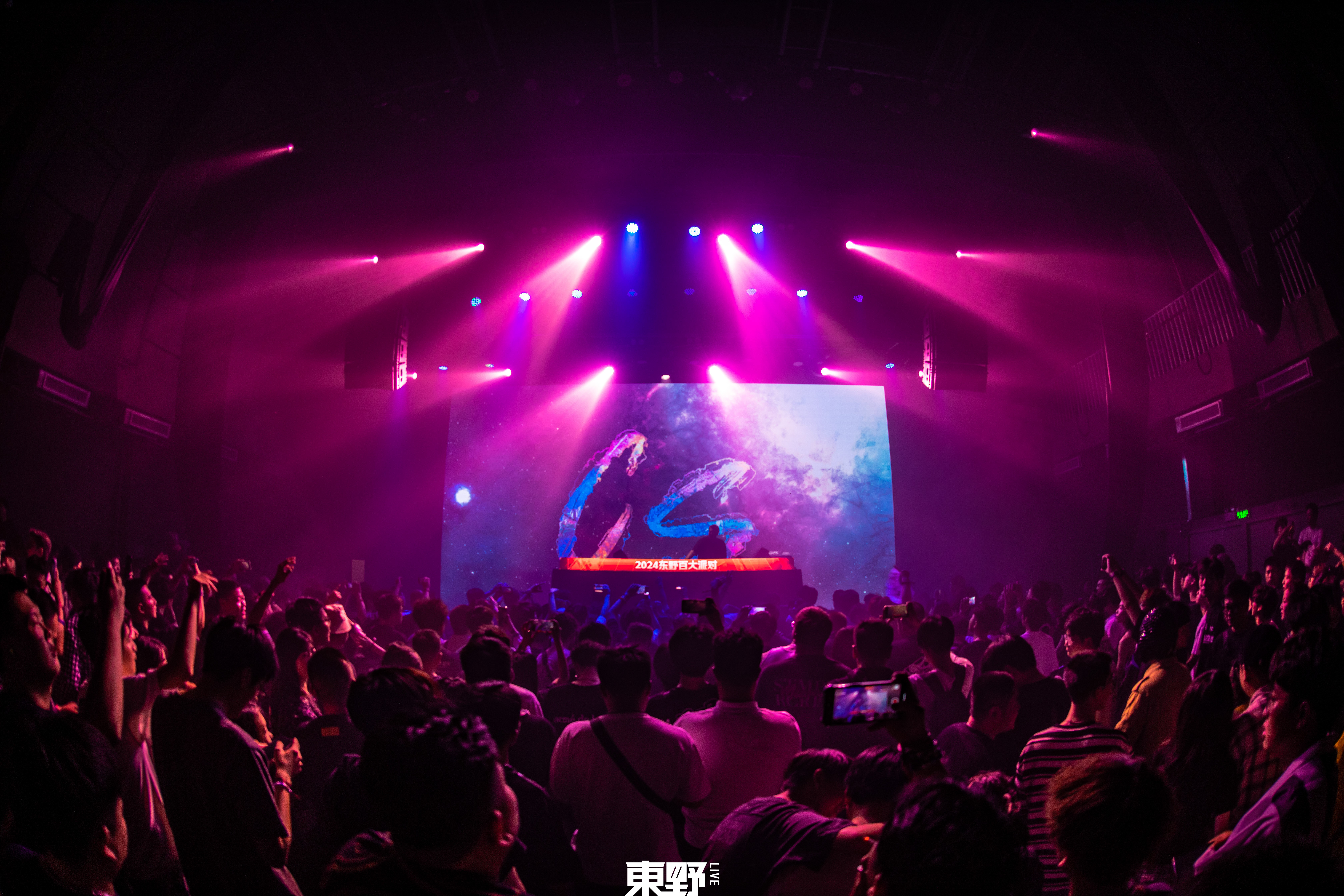
DONGYEAH TOP 100 DJS PARTY
Behind this shift lies a change in consumption habits. A growing number of young users are no longer paying simply to see a performance—they are paying to be part of a scene. Music remains the core, but visuals, social interaction, and cultural identity are becoming equally important components.
Under this logic, a city‑level cultural IP like "SHENWAVE" can be understood as a larger‑scale attempt at extension. It seeks to scale up this replicable content structure from individual events to the urban level, building a lasting cultural label through sustained content output and operations.
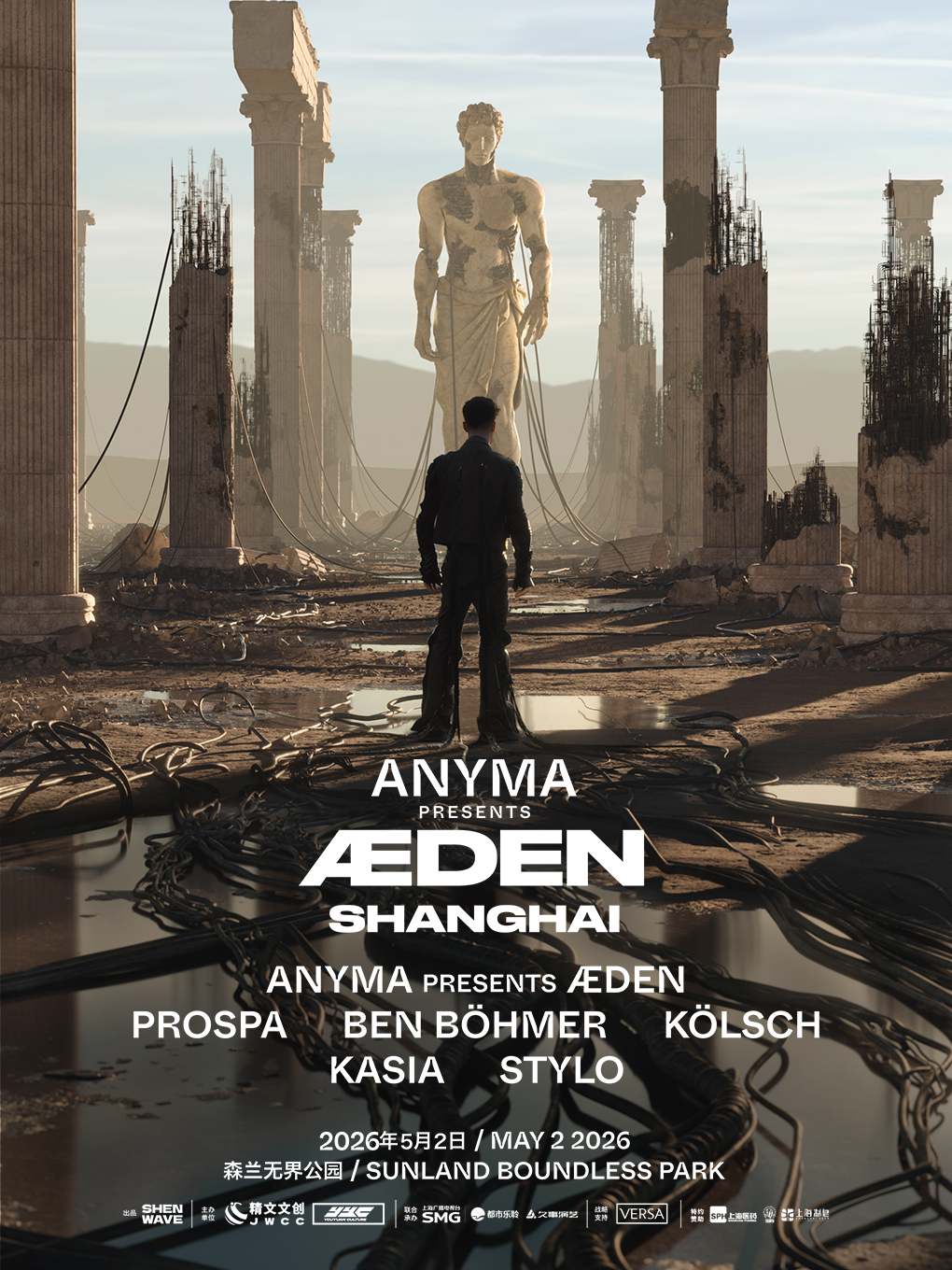
In 2026, the "SHENWAVE Music Festival," co‑hosted by Jingwen Cultural & Creative and Youyuan Culture, will launch on May Day at Shanghai's Senlan Wujie Park. Legendary electronic music producer Anyma will lead a lineup of artists in taking audiences into an immersive audiovisual universe. This marks the China and Asia debut of his brand‑new project Æden's exclusive show, and it will be the first performance globally after Æden makes its debut at Coachella the preceding weekend.
If IP addresses the extension of content, then platforms go a step further toward the accumulation of users. The YuYuan platform, which Youyuan Culture has been developing, precisely serves the nighttime entertainment consumer demographic, connecting users, merchants, and offline entertainment content. Since its launch, the platform has amassed over one million active young users, brought together more than a thousand registered merchants, and cumulatively provided over ten thousand high‑quality entertainment events. This allows user relationships to extend beyond any single performance and be continuously engaged over a longer cycle. In essence, the company's growth logic is beginning to shift from being project‑driven to being user‑driven.
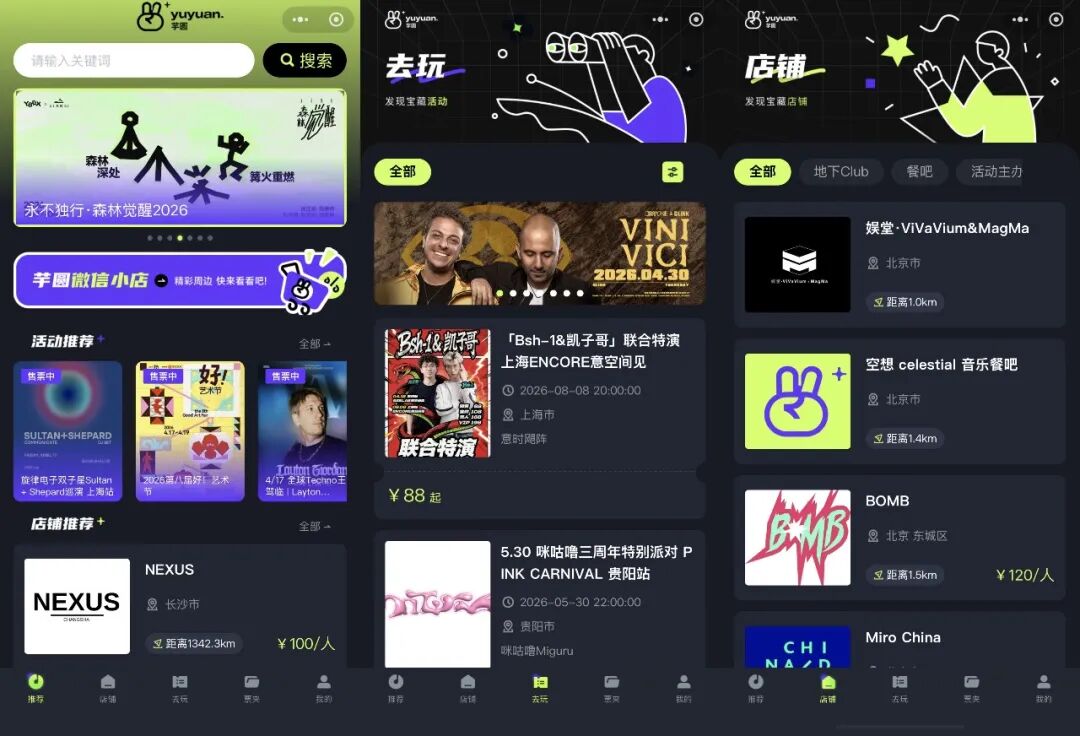
YUYUAN TICKET
In addition, Youyuan Culture is also involved in brand marketing, artist management, and other areas. The company has built a media matrix targeting music and entertainment enthusiasts across all platforms, operating leading media accounts such as TudiMusic and Dongyeah LIVE, while innovating online entertainment distribution models and creating customized marketing solutions for numerous well‑known domestic and international brands. The company also focuses on producing original music content, having released a series of high‑quality original works, and its music labels engage in cross‑sector collaborations with diverse fields including film, television, gaming, and variety shows.
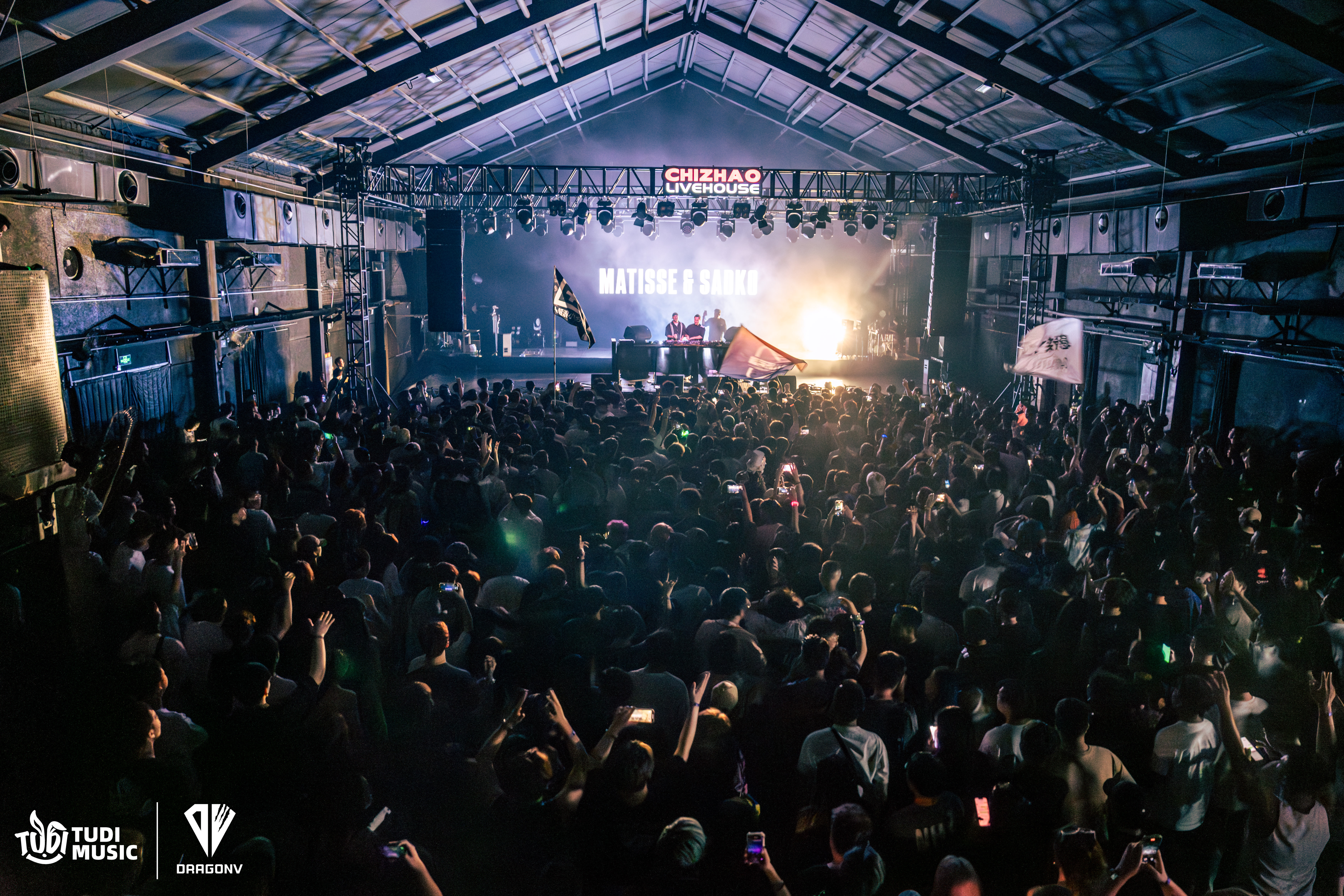
TudiMusic's Party Rabbit Jump
————————————————————
Companies that have been playing the long game are starting to come into the spotlight.
From a global market perspective, Youyuan Culture's trajectory is not unfamiliar. According to data from international ticketing agencies and industry research reports, global live music market revenue is forecast to exceed $30 billion in 2025. Among the companies showing the most significant growth, many are not only involved in production but have also made deep inroads into content IP and user channels. The show is merely the entry point—the real value is amplified beyond the performance itself.
This financing round was completed by Yanggu Venture Capital, a subsidiary of Jingwen Investment, which provided the capital injection. The entry of state capital also sends an important signal.
In recent years, with the integration of culture and tourism and the rise of the night‑time economy, cities' demand for cultural content has been evolving. Compared to the short‑term foot traffic generated by a single large‑scale show, cities increasingly need cultural projects that can be operated on an ongoing basis, as well as consumption scenarios that can repeatedly draw crowds.
This shift is also reflected in the data. Take Shanghai as an example: the share of night‑time consumption in total social consumption has been steadily rising, with cultural and entertainment content becoming a significant component. For cities, stable and distinctive cultural supply has become a key factor in boosting their appeal.
Jingwen Investment, as a cultural capital investment and operation platform directly under the Publicity Department of the Municipal Party Committee, possesses abundant cultural industry resources and platform advantages. The two parties have engaged in deep collaborative synergy centered on "investment + business." Their previous joint efforts in producing the Shanghai leg of international artist tours attracted audiences from across the country to converge on Shanghai, effectively spurring urban cultural consumption—and serving as an exemplary case of synergistic development between state capital and market‑oriented entertainment enterprises.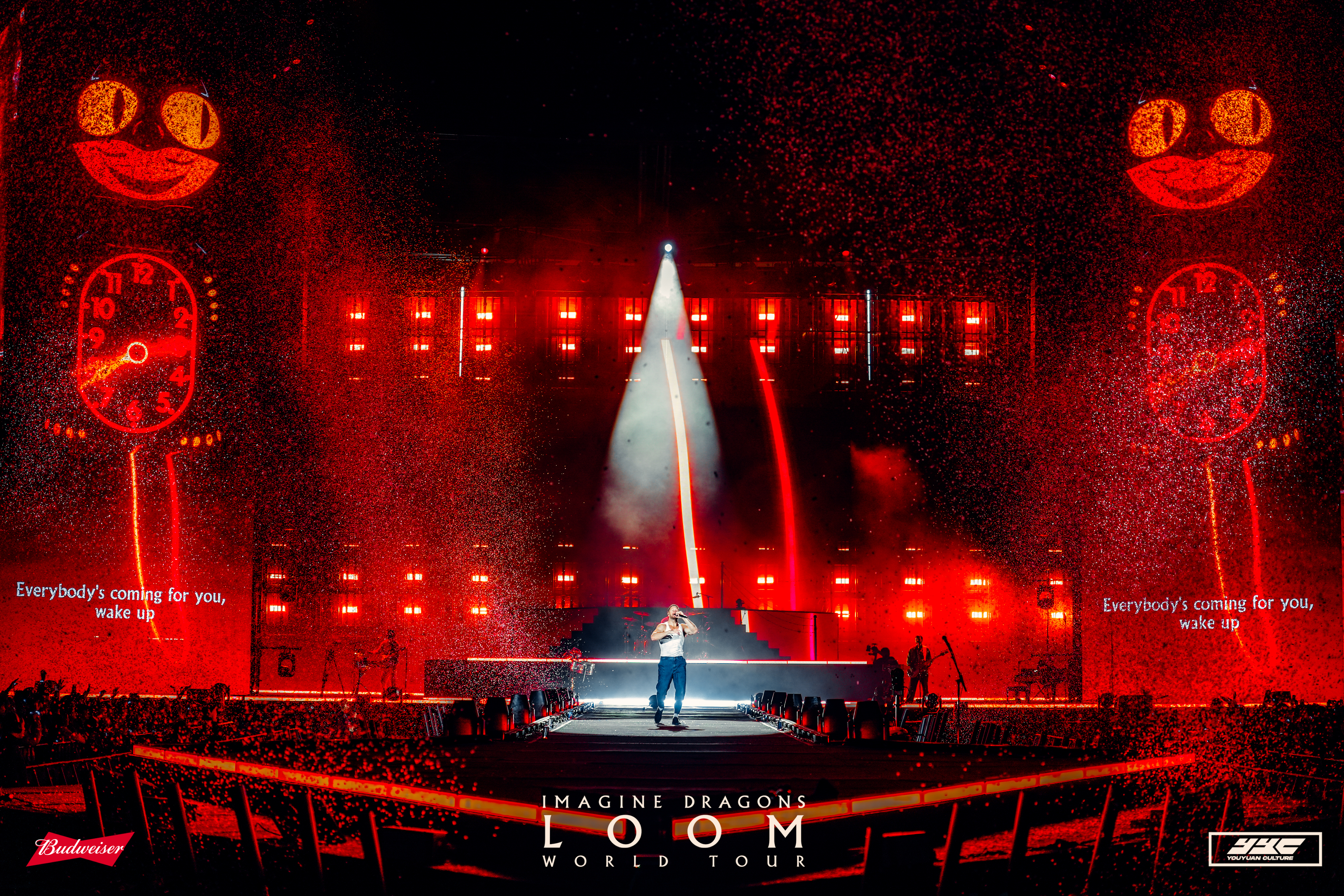 IMAGINE DRAGONS LOOM WORLD TOUR SHANGHAI
With this strategic state-owned capital investment, and leveraging Shanghai’s goal of becoming the “Asian Performing Arts Capital” as well as the city’s consumption vitality as an “international cultural metropolis,” Youyuan Culture has officially relocated its headquarters to Xuhui District, Shanghai. This marks a strategic upgrade from a regional presence to a core national cultural hub, with the goal of becoming China’s first internationalized performance operations brand dedicated to global artists.
Youyuan Culture founder Zhao Can stated: “This strategic state-owned capital investment represents a milestone of great significance in Youyuan Culture’s development journey… Establishing our headquarters in Shanghai enables us to fully leverage the city’s high-quality cultural resources and industrial development advantages, driving a nationwide strategic upgrade of our brand and business.”
Yu Weijie, Party Committee Member and Vice President of Jingwen Investment, stated: “As a young pioneer brand in China’s music and entertainment sector, Youyuan Culture has demonstrated strong professional operational capabilities and an innovative development model. Over the past two years, it has gradually built up industry advantages and development momentum. Jingwen Investment’s strategic capital increase in Youyuan Culture is not only a vivid example of deepening state-owned cultural enterprise reform and promoting the integrated development of culture, commerce, tourism, sports, and exhibitions, but also a concrete measure through which we leverage capital to support Shanghai’s efforts in becoming the best practice destination for Xi Jinping Thought on Culture and advancing the city’s development into the Asian Performing Arts Capital.
“At present, Jingwen Investment and Youyuan Culture have established a comprehensive strategic partnership, with deep cooperation in both investment and business operations. Going forward, Jingwen Investment will continue to leverage the resource advantages and platform role of state-owned cultural capital, working with Youyuan Culture to deepen collaboration across areas including the creation of distinctive urban cultural and entertainment IPs, development of music-related derivatives, and planning of industry forums. Through the complementary strengths of state-owned capital and market-oriented enterprises, the two sides will achieve mutual growth and contribute new efforts toward Shanghai’s development as an international cultural metropolis.”
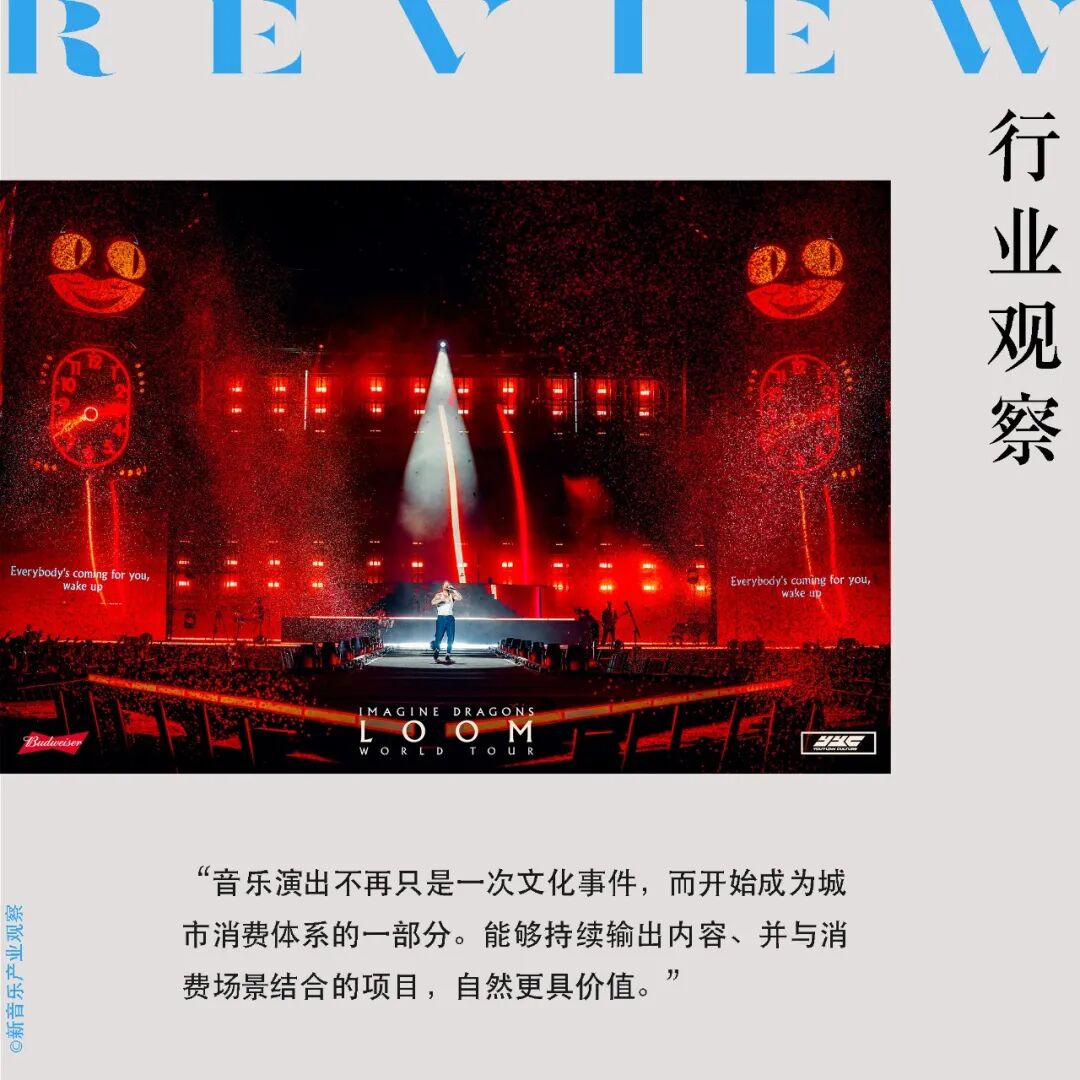
Against this backdrop, music performances are no longer merely cultural events; they are increasingly becoming part of a city’s consumption ecosystem. Projects that can continuously deliver content while integrating with consumption scenarios naturally carry greater value.
Returning to Youyuan Culture, this financing is undoubtedly an important milestone, but it may be better understood as a starting point. The path from performances to IP development and then to a broader platform requires greater investment, longer cycles, and also implies slower returns. Whether IPs can maintain long-term relevance, whether users can remain engaged over time, and whether the business model can achieve a sustainable closed loop are all questions that remain to be tested.
What is clear, however, is that the direction of the industry is changing. The shift from project-based business toward a content-driven industry may have only just begun.